Michaela Palmer

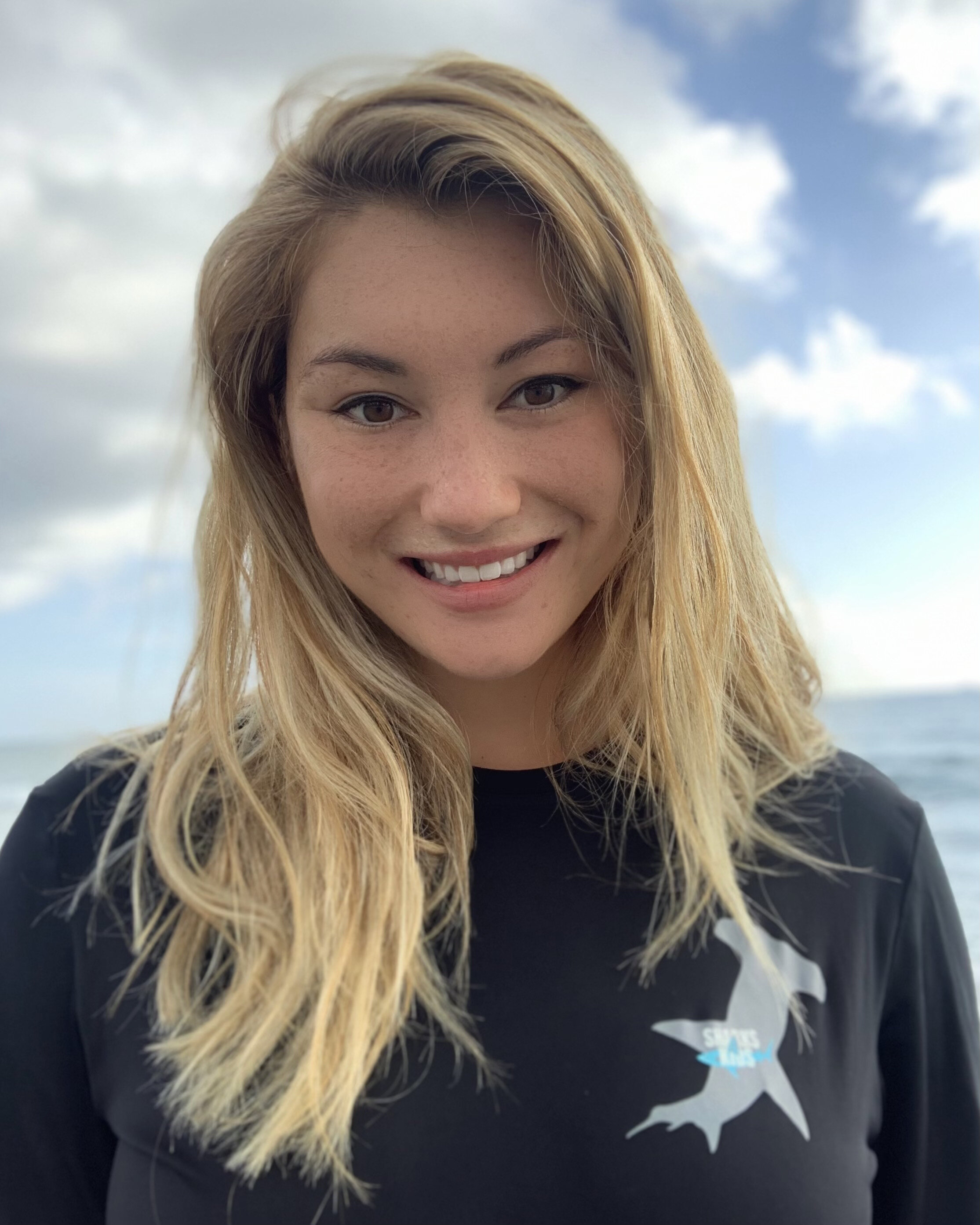
Degree: I received a bachelors in Earth System Science, Physical Geography, and GIS from UC Berkeley. I am currently pursuing a M.S. in Geographic Information Science from Johns Hopkins University, where I plan to focus my research on using geospatial analyses to inform shark conservation policies.
Current job: I work for an environmental engineering firm focused on coastal management and water resources.
Questions for Michaela
What is the biggest threat the oceans are facing today?
Climate change is rapidly affecting our entire planet. Unfortunately, the ocean bears the brunt of climate change, as evidenced by changes in temperature, currents and sea level rise, all of which affect the health of all marine species and ecosystems.
With the oceans becoming hotter, more acidic and less oxygen-rich, the fight against climate change is imperative.
Why are the oceans worth protecting?
We depend on oceans for many crucial ecosystem services, including carbon storage, oxygen generation, food and income generation. The importance of the ocean to global climate cannot be underestimated.
Who inspires you in the field of ocean conservation?
Jillian Morris-Brake (@biminisharkgirl) and Madison Stewart (@sharkgirlmadison) are both amazing conservationists that have inspired me in ocean conservation.
What would you recommend your 16 year old self that is trying to pursue a conservation career in the future?
Don't give up! Anything you can do to help in the conservation realm, no matter how small it may seem, really does make a difference.
Changing views
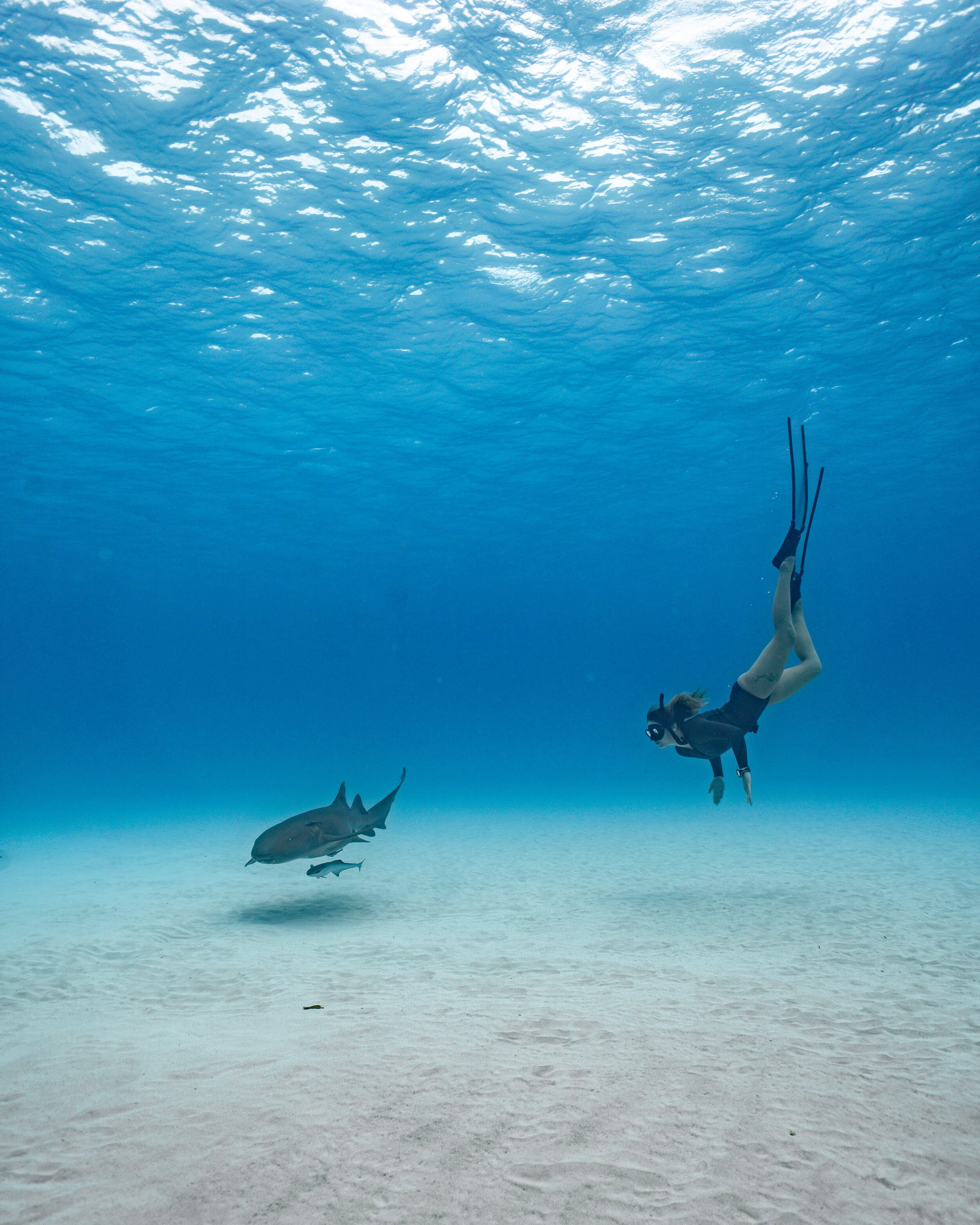
Before moving to South Florida for my job, I grew up in Northern California. I have had an ocean obsession since I was a baby. I started scuba diving when I was 13 in the cold waters of Monterey, CA. I ditched the tanks and cold water a couple years ago and fell in love with freediving. As Jacques Cousteau said, "The best way to observe a fish is to become a fish". The ability to feel so natural and intuitive while exploring the ocean was an amazing feeling unlike any other.
When I reached college, I wanted to find a way to support ocean conservation using technology. I discovered the power of geospatial information science (GIS) and how it could be applied to the environmental field. Outside of my job in water resources and coastal resilience, I am currently pursuing a MS at Johns Hopkins University, where I plan to focus my research on using geospatial analyses to inform shark conservation policies.
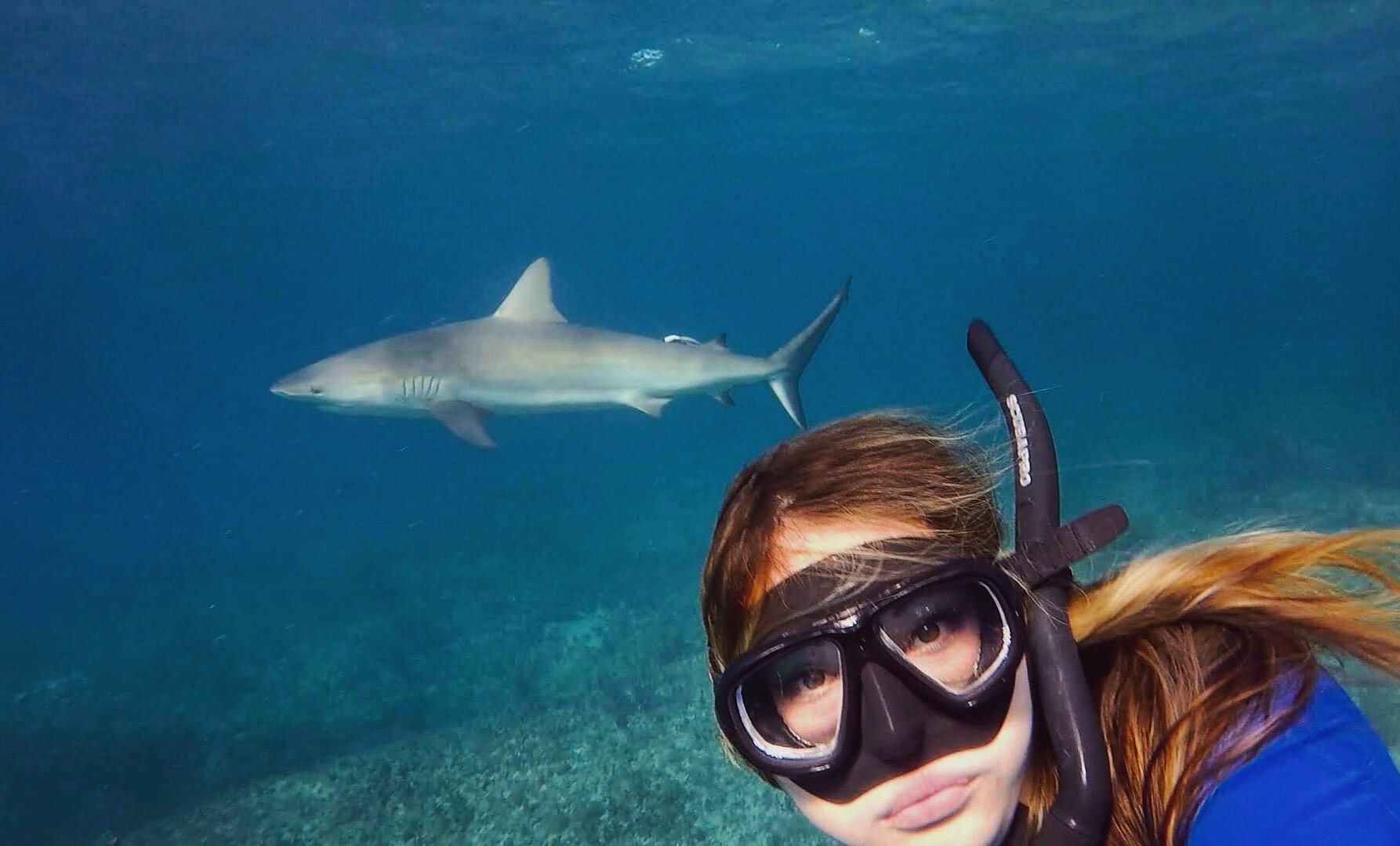
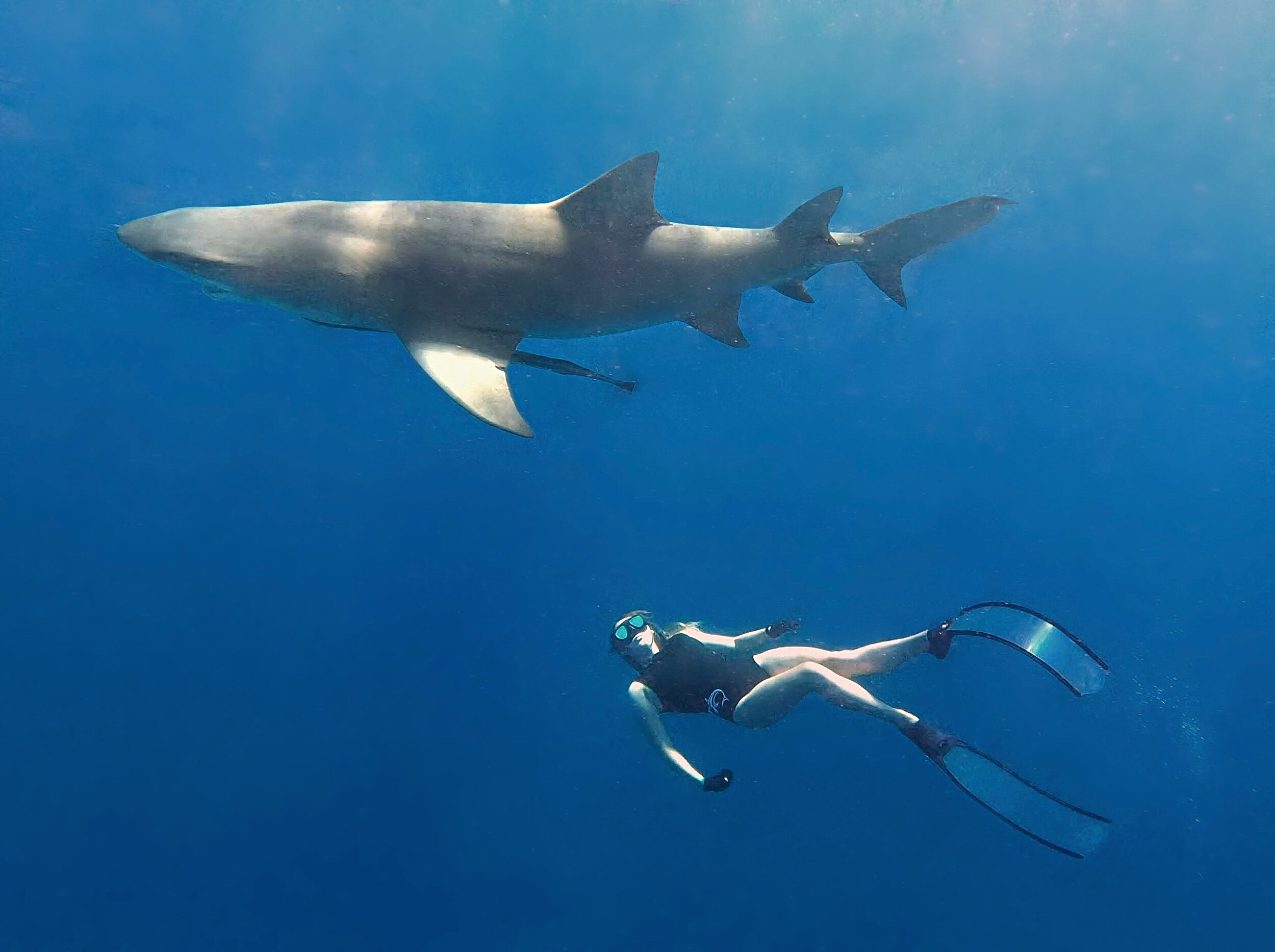
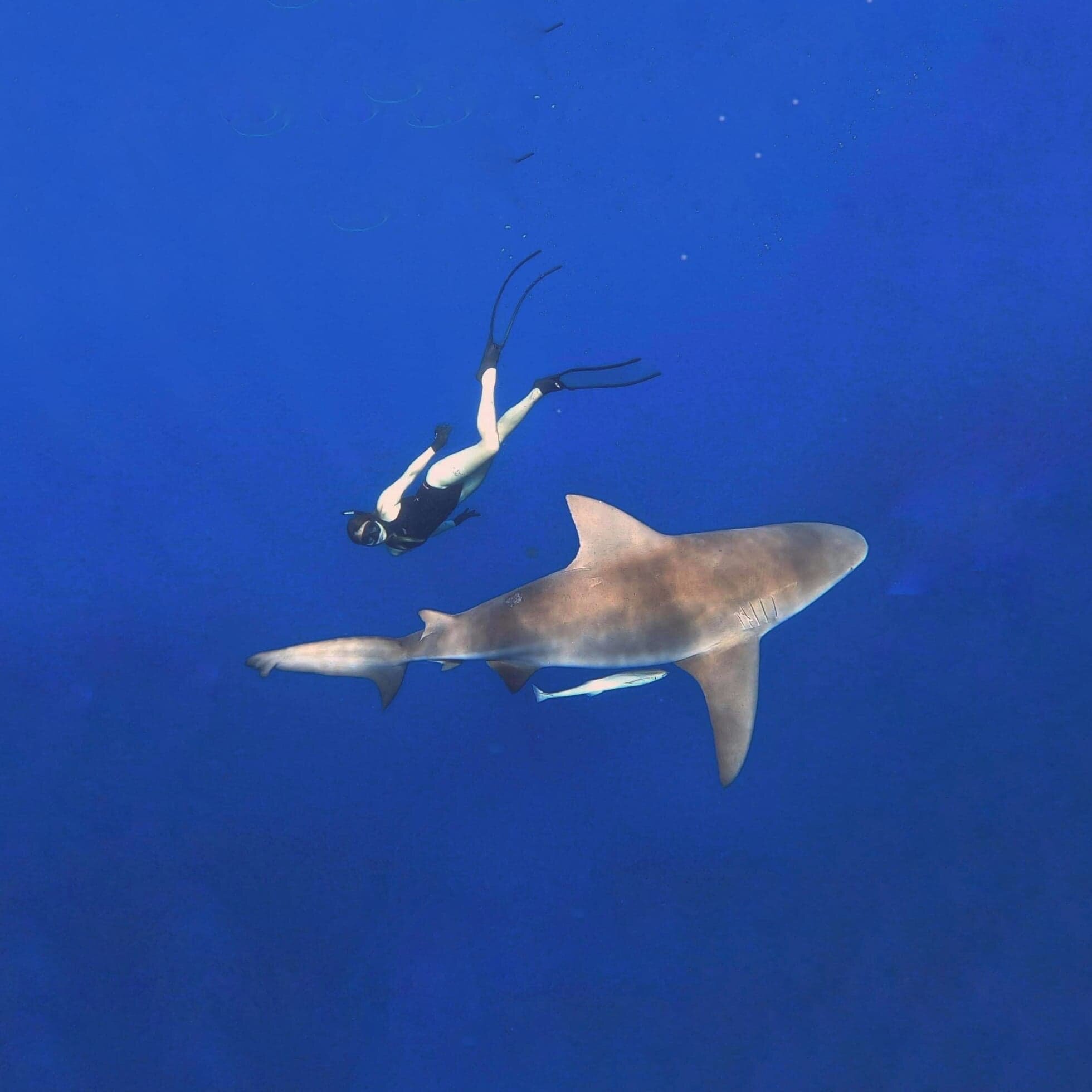
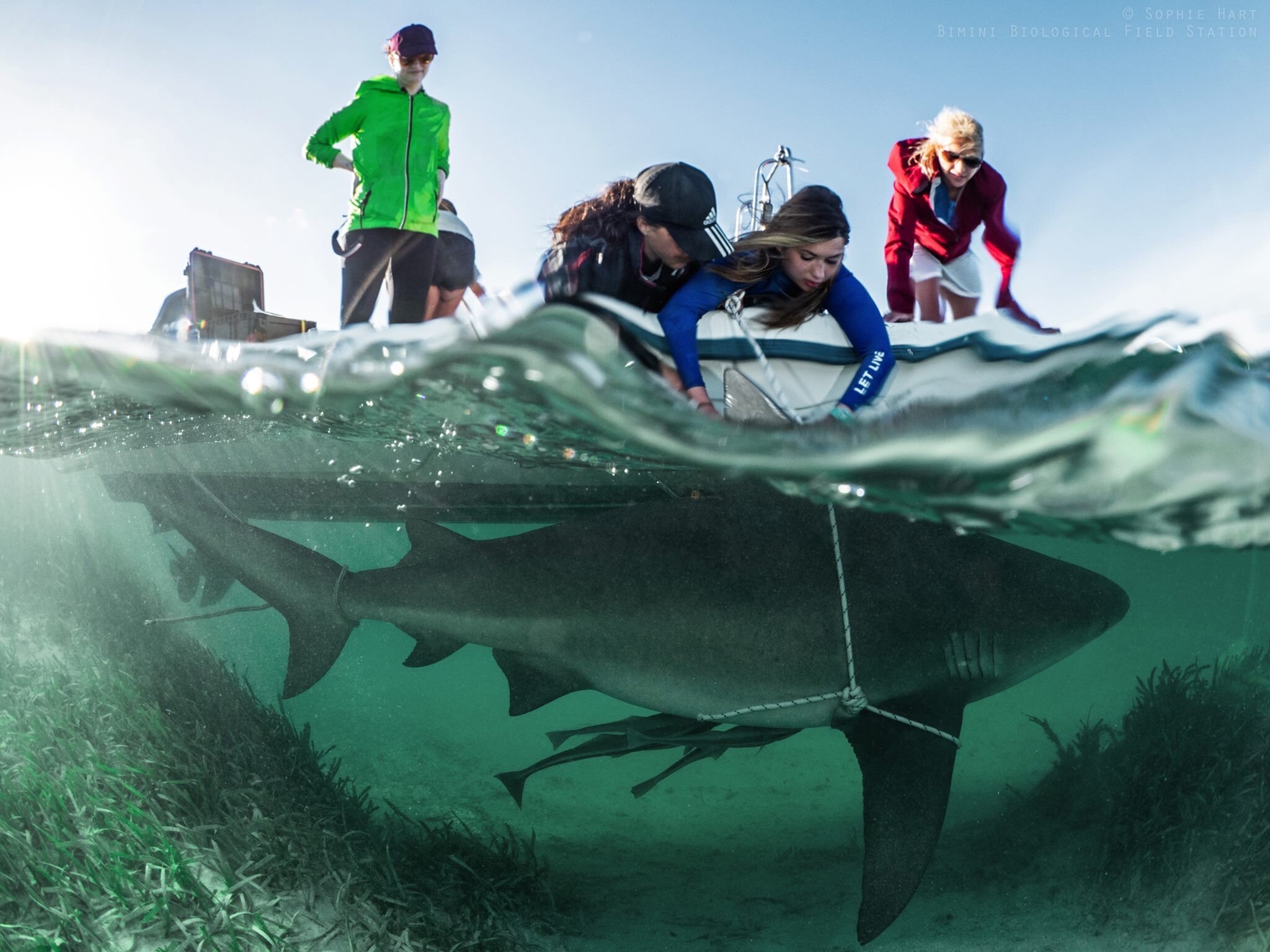
Other than work and school, I love to freedive with sharks in my spare time. I enjoy sharing my photos on social media so others can see the beauty and importance of these animals.
By sharing these images, I hope to combat sharks’ negative reputation and inspire others to fight for their protection.