Samara Nehemiah

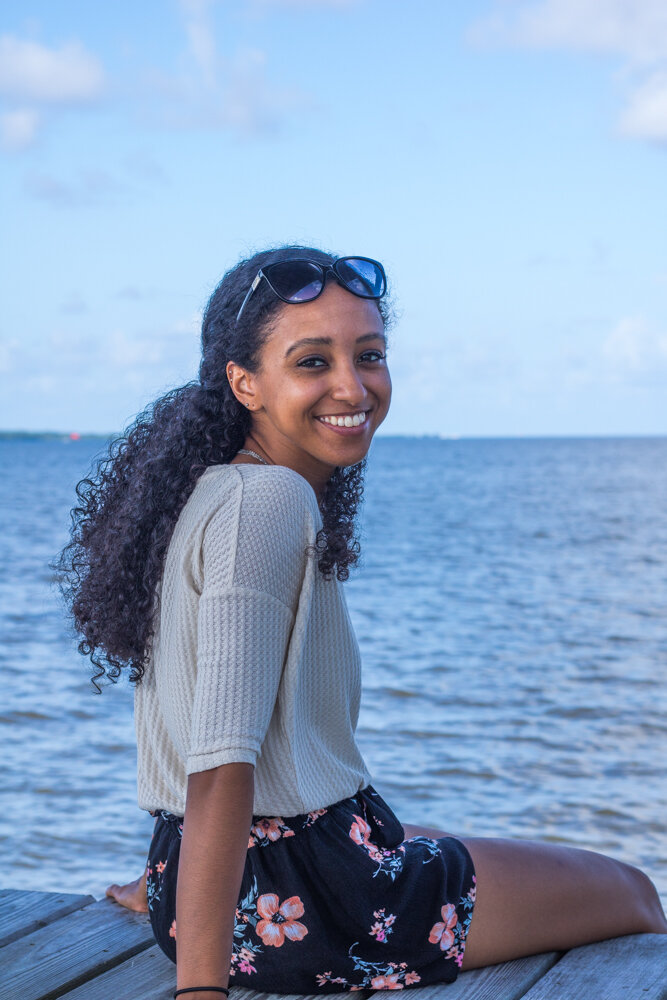
Degree: BS in Environmental Science and Policy from the University of Maryland, 2015
MS in Fisheries and Aquatic Sciences from University of Florida, August 2020
Current job: Graduate Research Assistant at the University of Florida
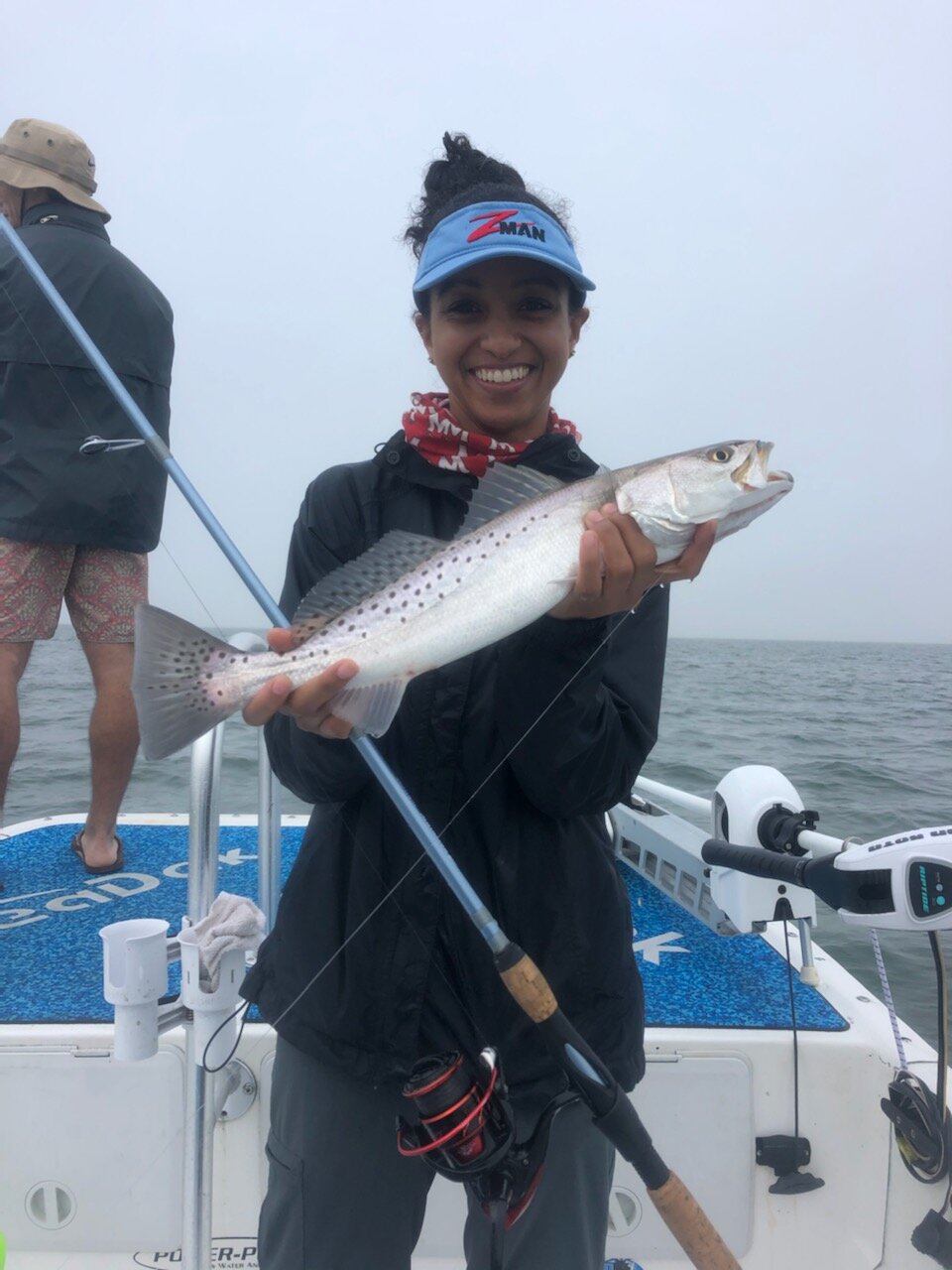
Current project: For my master’s research, I studied factors influencing recruitment of Spotted Seatrout in Cedar Key, Florida. Spotted Seatrout are a popular sport fish in Florida that is considered overfished in most regions of the state. By better understanding trends of recruitment, or juvenile survival, we hope to improve management of this species.
Current country or residence: Maryland, USA
Questions for Samara
How did you get into the field of ocean conservation?
When I was about 5, I became really fascinated with sharks. My mom started buying me various shark biology books for kids and I learned all that I could about these beauties. I always knew that I wanted to work in ‘conservation’ but I really had no idea what that meant until I got to college and started taking classes. I quickly became interested in management of exploited species and thought it was important to consider human behavior and its consequences on natural resources. I’m very lucky to conduct research on sportfish because it is a great way to connect the public to aquatic resources while encouraging sustainable practices at the same time.
What do you enjoy most about conservation?
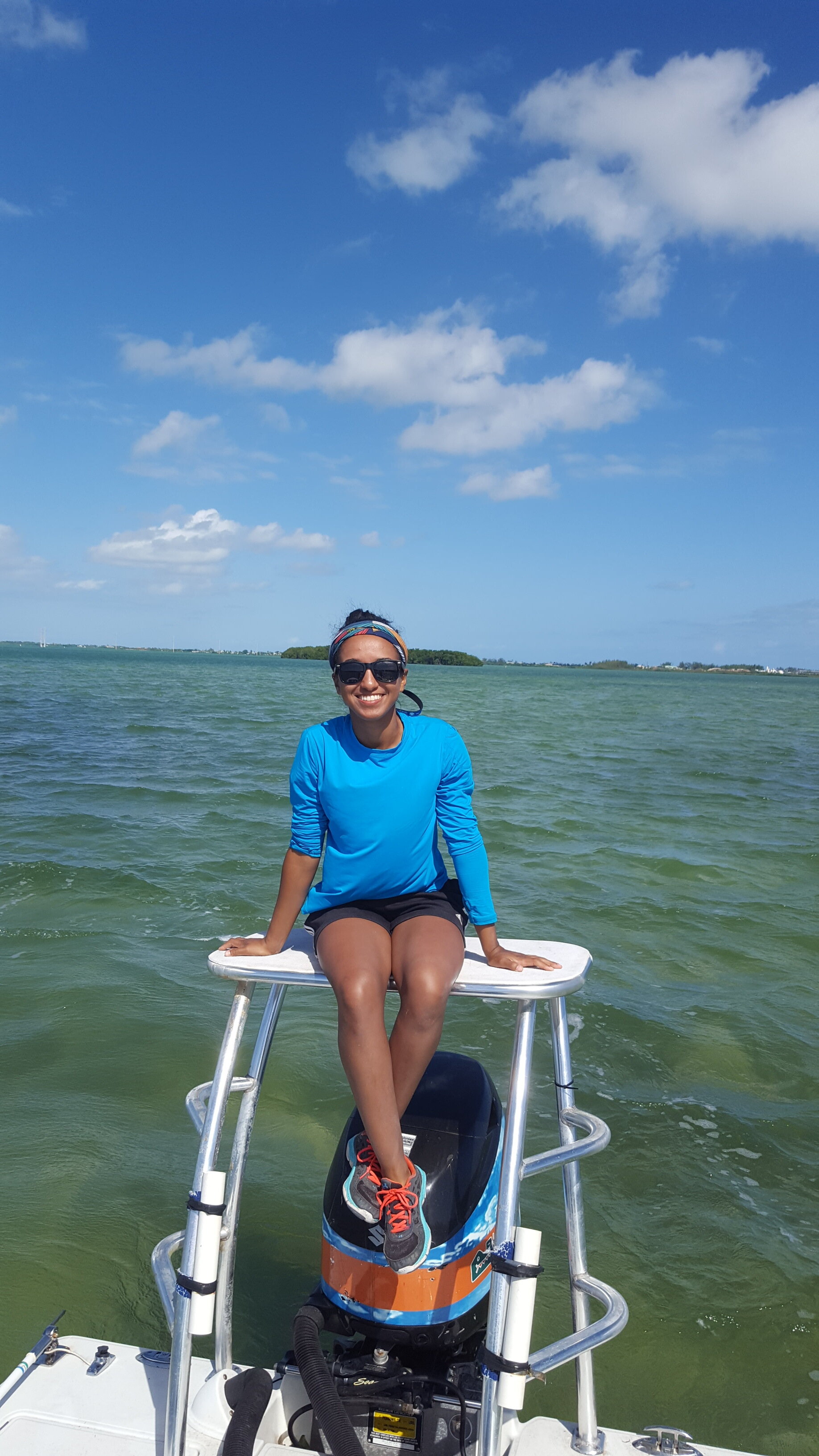
I love the ability I have to work in and explore beautiful ocean scenery and the aquatic life that lives there. I am constantly connected to fish and their habitats. I am so lucky to share these experiences with others so that they can learn to love and protect the ocean as well.
What do you believe is the most difficult thing about conservation?
In general, I think the most challenging thing is getting individuals to think about conservation issues long-term and large-scale. Whether we are talking about overfishing, plastic use, or climate change, I find people are quick to refute the idea that their individual actions have any real effect on these larger issues. Thinking and acting in the short-term will not bring sustainable outcomes. Conservation is an ongoing process of collective work that requires purposeful actions and some sacrifice or change in behavior.
What concerns you most regarding the future of our oceans?
The amount of pollution, both excess nutrients and physical trash, that enters our oceans is alarming and causes great harm to aquatic life. I am dreading the day that there will be more plastic in the ocean than there are fish.
What was your most memorable moment of working in ocean conservation?
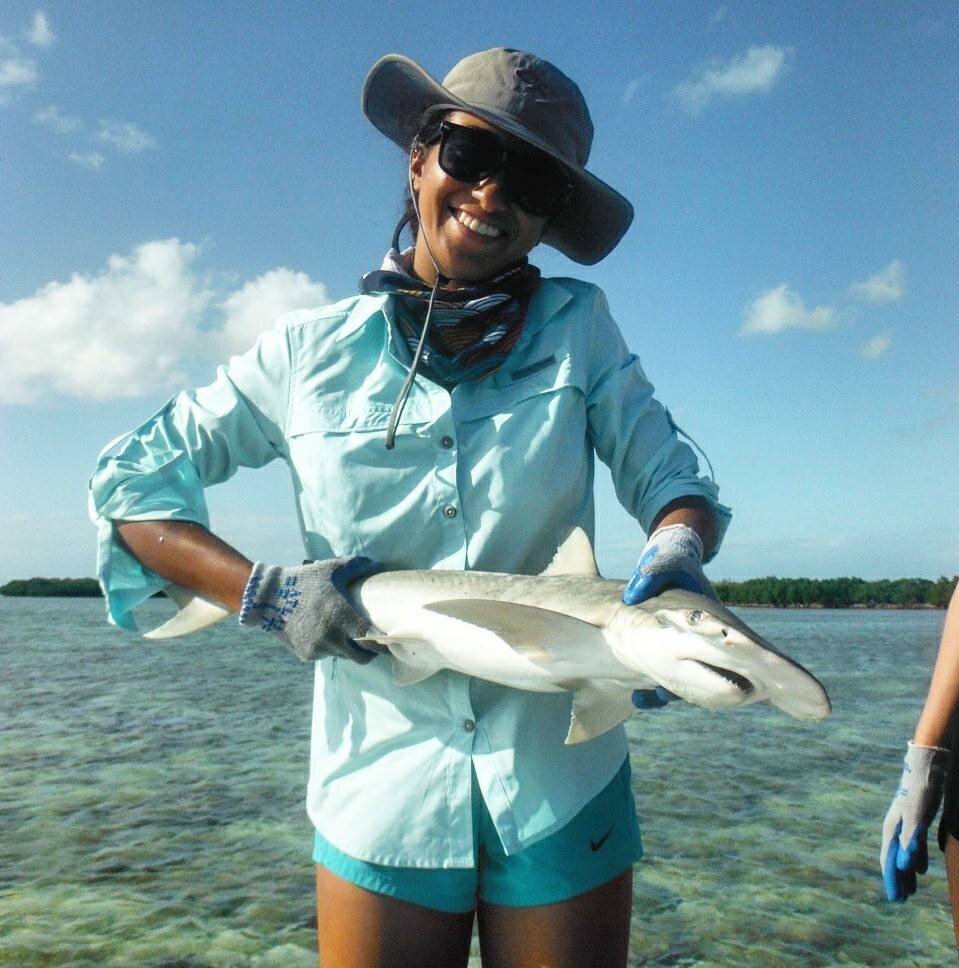
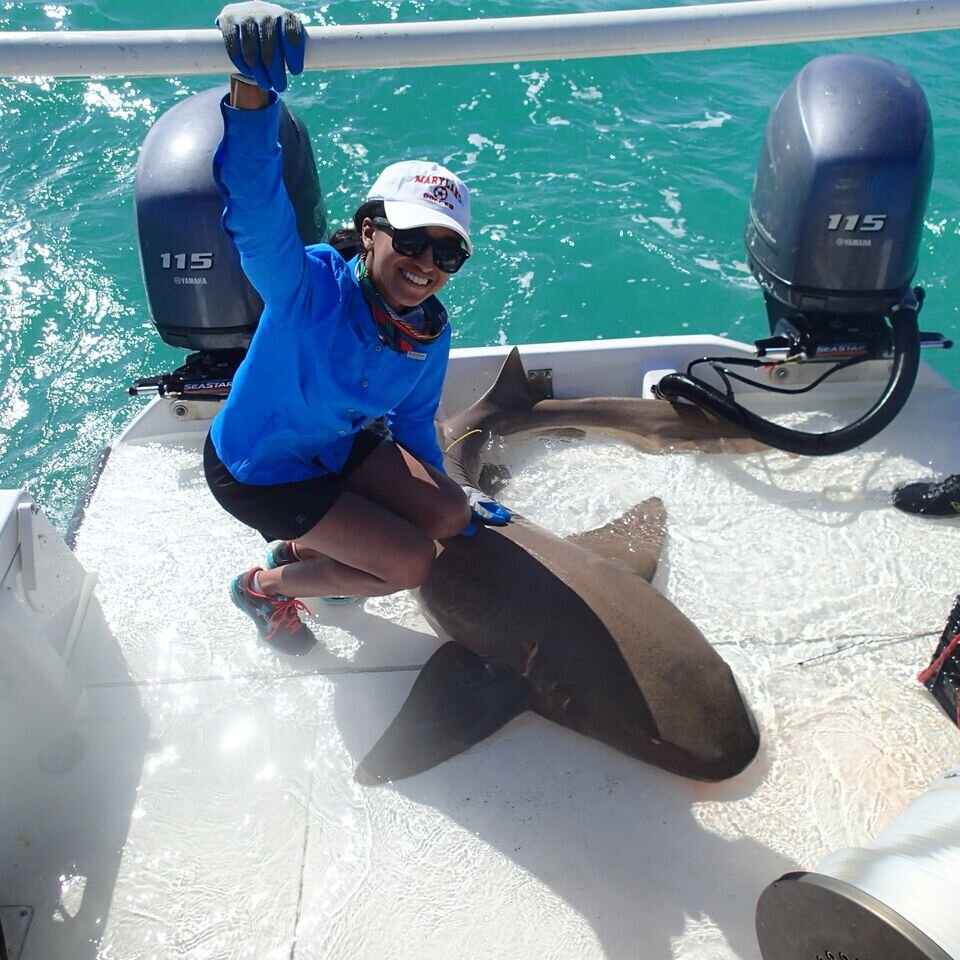
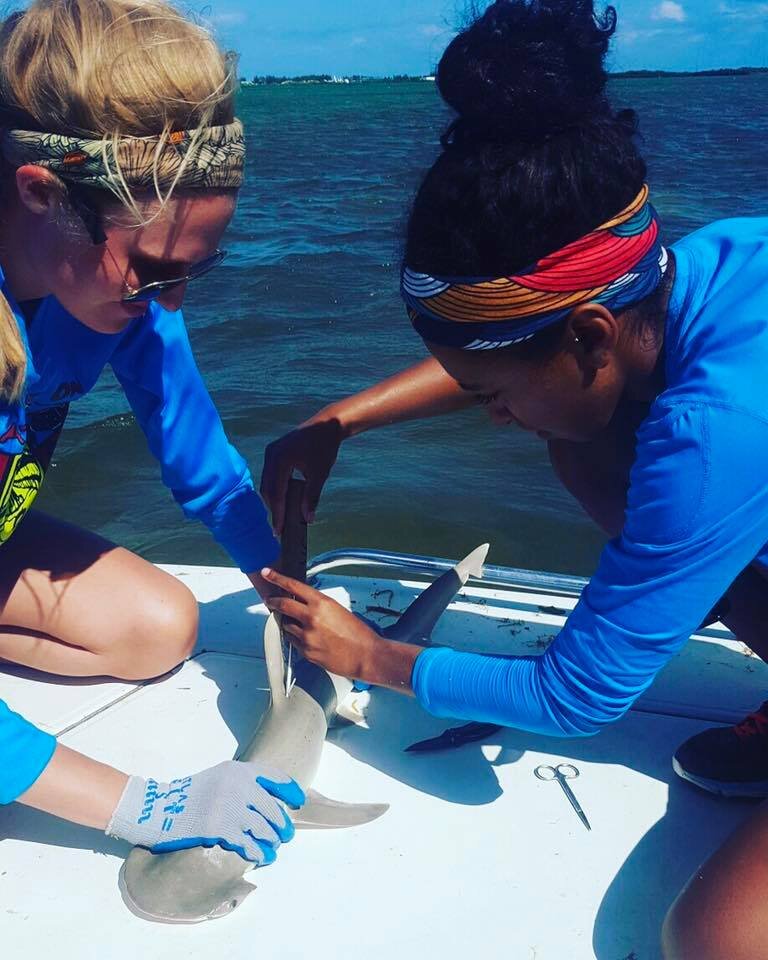
When I was an intern with the Florida Program for Shark Research, we spent a week in the Florida Keys with the Florida State Marine Lab in search of Smalltooth Sawfish to tag and release. On our last day of sampling, I was fortunate to tag and release two male Smalltooth Sawfish as well as numerous Great Hammerhead sharks (they were tagged under proper ESA permits). It was an amazing experience so see these incredible species up close.
What would you recommend to somebody who would like to become a steward of the ocean?
Do what you can. Conservation and sustainability can be overwhelming for those that feel the need to solve everything at once or to be perfect at it. Anything you can do, no matter how small, is helpful.
One thing you do daily or weekly to be more sustainable?
I try to pick up trash off of the street during my afternoon walks. It is a bit challenging during COVID-19 as I have to make sure I have good protective gear, but I want to help make sure as little waste is ending up in our oceans as possible.
What is your …
Favorite Podcast: Getting Curious with JVN – not directly science related but he does have a lot of scientists on!
Favorite Documentary: Chasing Ice
Favorite Sustainable Product: My Rocketbook! As a grad student that isn’t great at taking notes on my laptop, it’s been the perfect option for handwritten notes without the waste of paper notebooks.
Staying persistent is key
From a young age I was fascinated with sharks and aquatic life even though I didn’t spend too much time at the ocean. Outside of aquariums, I had no real exposure to Marine Biology and definitely didn’t know that Fisheries Biology existed. In grade school, when I saw scientists from any field, I didn’t see any women or BIPOC representation. The sciences didn’t seem like a place that someone like me belonged in, but I still always wished to pursue it.
As I made my way through college, I had no set plans or ideas on how I was going to become a marine biologist. I was constantly told that I was wasting my time or that I could never make a living doing this. I was even told by one of my early advisors that I was not smart enough to be a biologist. When I eventually transferred to the University of Maryland, I found my home in the Environmental Science and Policy major. My then advisor always encouraged me to go after everything I was passionate about. She helped me set up my study abroad trip to South Africa and inspired me to pursue fisheries biology after I graduated. I’m so thankful to have had her in my corner.
After I graduated from Maryland, I moved to Florida to take an internship with the Florida Program for Shark Research, started working with the Florida Fish and Wildlife Conservation Commission, and eventually started graduate school at the University of Florida. In Florida, I had some of the most incredible experiences, saw some breathtaking aquatic species, and became so connected to the ocean like I never had before.
Currently, I am finishing up my Master of Science in Fisheries and Aquatic Sciences. My research interests more broadly focus on studying the impact of recreational fisheries on fish population dynamics. I find this work to be so rewarding because I can connect people to marine environments and introduce them to various fish species but I can also help to make our fishing practices sustainable for future generations. I also love being able to educate our local communities as much as possible so that I can inspire our future biologists and promote long-term sustainable practices (such as reducing our plastic use and reducing our waste) that will benefit the health of our oceans.
My journey getting to where I am today was definitely unplanned. I only got here because I was not willing to let fear stop me from pursuing something I am passionate about. While women representation is growing in this field, BIPOC representation is still far behind. It can be exhausting and uncomfortable having to deal with constant microaggressions and discrimination from members within our field, the public, or the fishing community. But despite these occasional slights, I am so lucky to have found this career. I love being so connected to our world, our oceans and working to protect its resources. There really is no better day than those I can jump on a boat, drive out to sea, and experience the blue ocean around me.